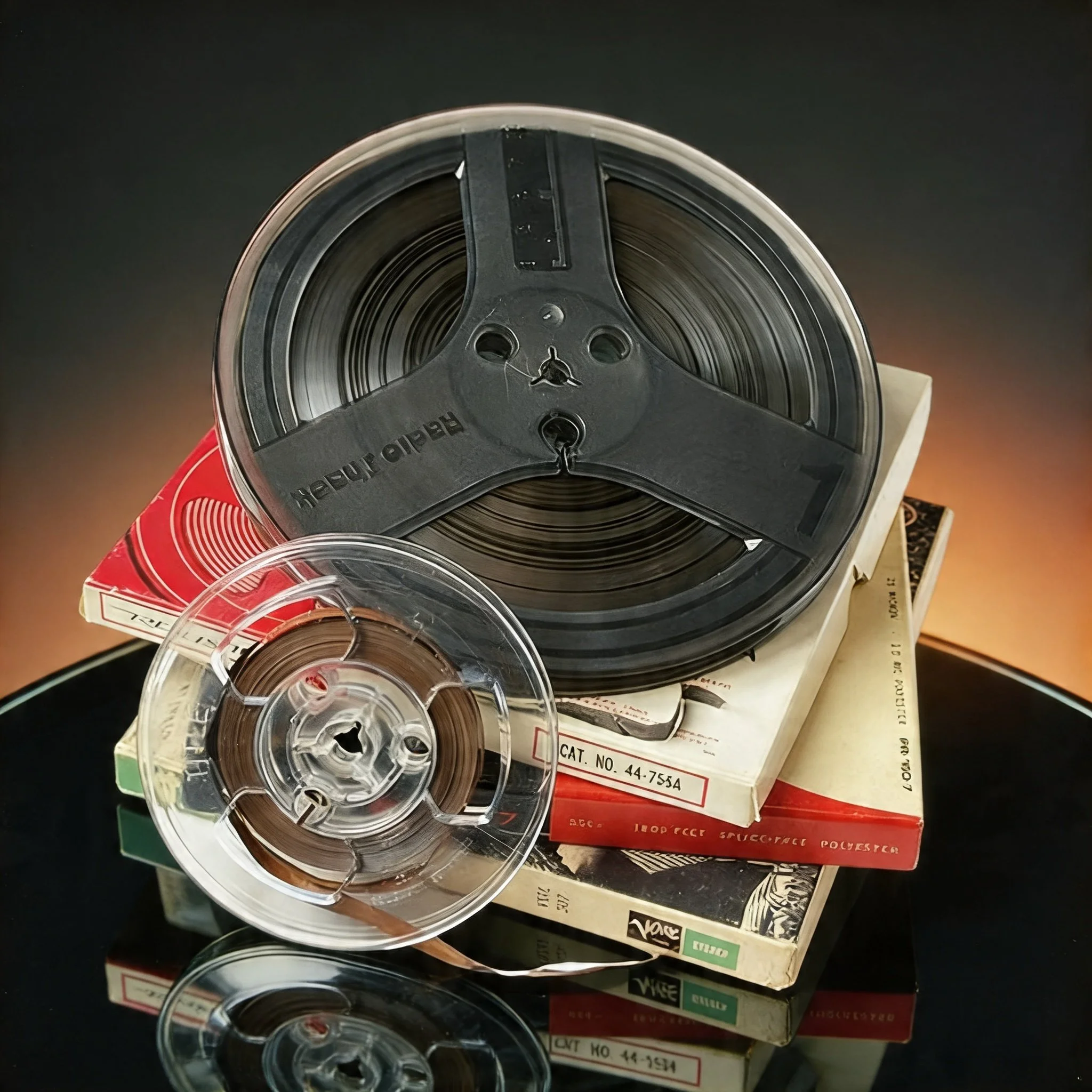
Reel-to-Reel Tape Digitizing in London, Ontario
We handle select reel-to-reel transfers — but this format has variables. Get in touch before you drop anything off.
500+ tapes digitized since 2019 · Near Oxford & Wonderland, London ON
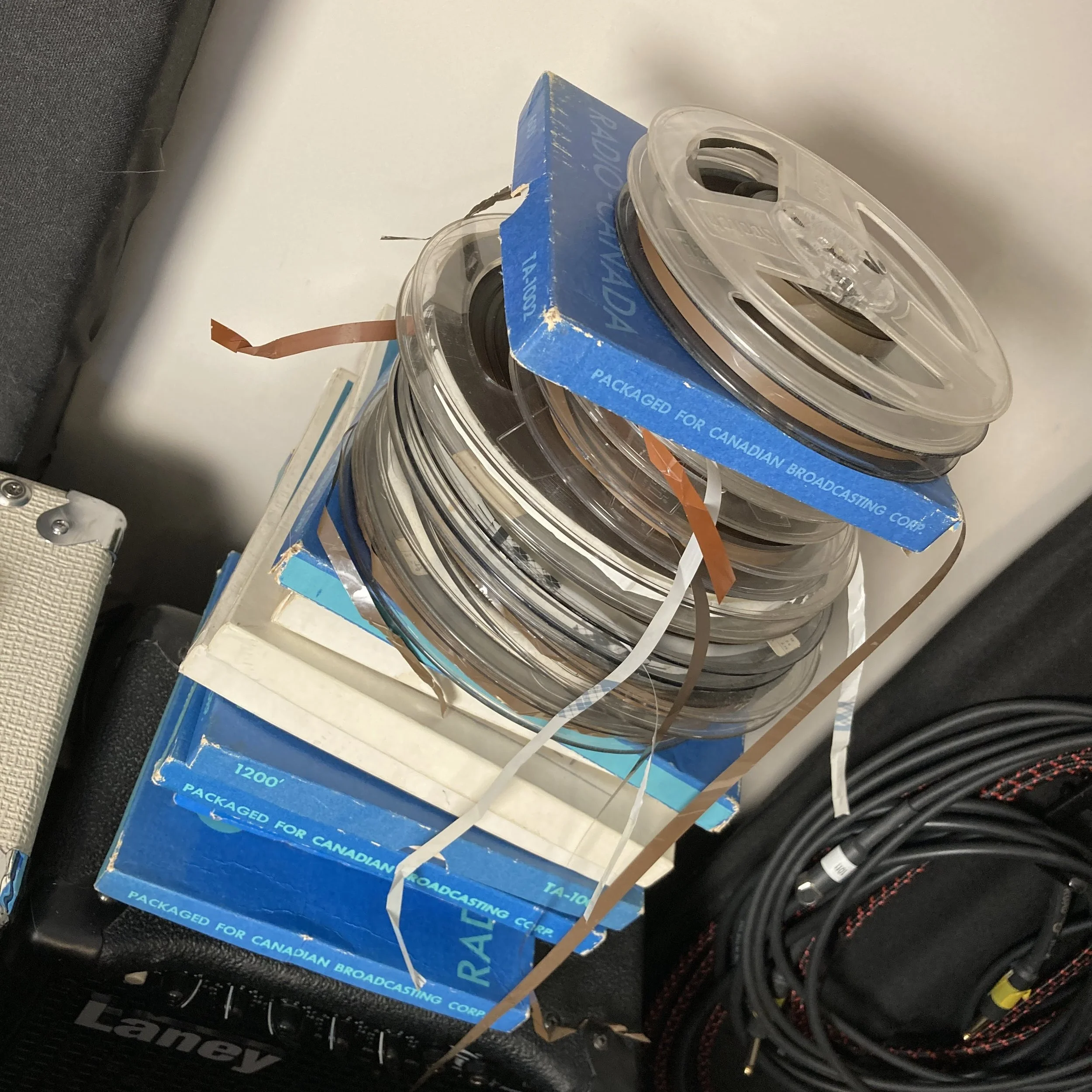
What Does a Reel-to-Reel Tape Look Like?
Reel-to-reel tape — also called open-reel tape, or quarter-inch — is a large spool of magnetic tape without a cassette shell. The tape runs exposed from one reel to another during playback, which is how the format gets its name.
Home reels typically come on 5" or 7" plastic or metal spools. Professional reels can be 10.5" and considerably heavier. The tape itself is most commonly 1/4" wide for home recordings, though wider formats exist for studio use.
Common brands: Scotch (3M), BASF, Ampex, Sony, Maxell, and TDK. If your reels are in a box, they may also be in original cardboard sleeves or plastic cases with a label — that label, if readable, can tell us the tape speed the recording was made at, which matters for accurate playback.
If you have reels, note the reel diameter, whether the tape is still on the spool (or loose), and any information visible on the box or label. All of it is helpful when you contact us.
What People Find on Reel-to-Reel Tapes
Reel-to-reel was primarily a home and semi-professional format from the 1950s through the 1970s. People who owned these machines were often serious about audio — and what they recorded tends to reflect that.
Home music recordings and personal performances
Family voice recordings and oral histories
Radio programs and broadcasts recorded off-air
Early home studio recordings and demos
Interviews, meetings, and spoken-word recordings
Audio from events: speeches, ceremonies, gatherings
These recordings are often one-of-a-kind. In many cases, the person who made them is no longer here. If you've come across a set of reels in a family estate, there's a reasonable chance they contain something worth hearing.
Reel-to-Reel Is Durable — Until It Isn't
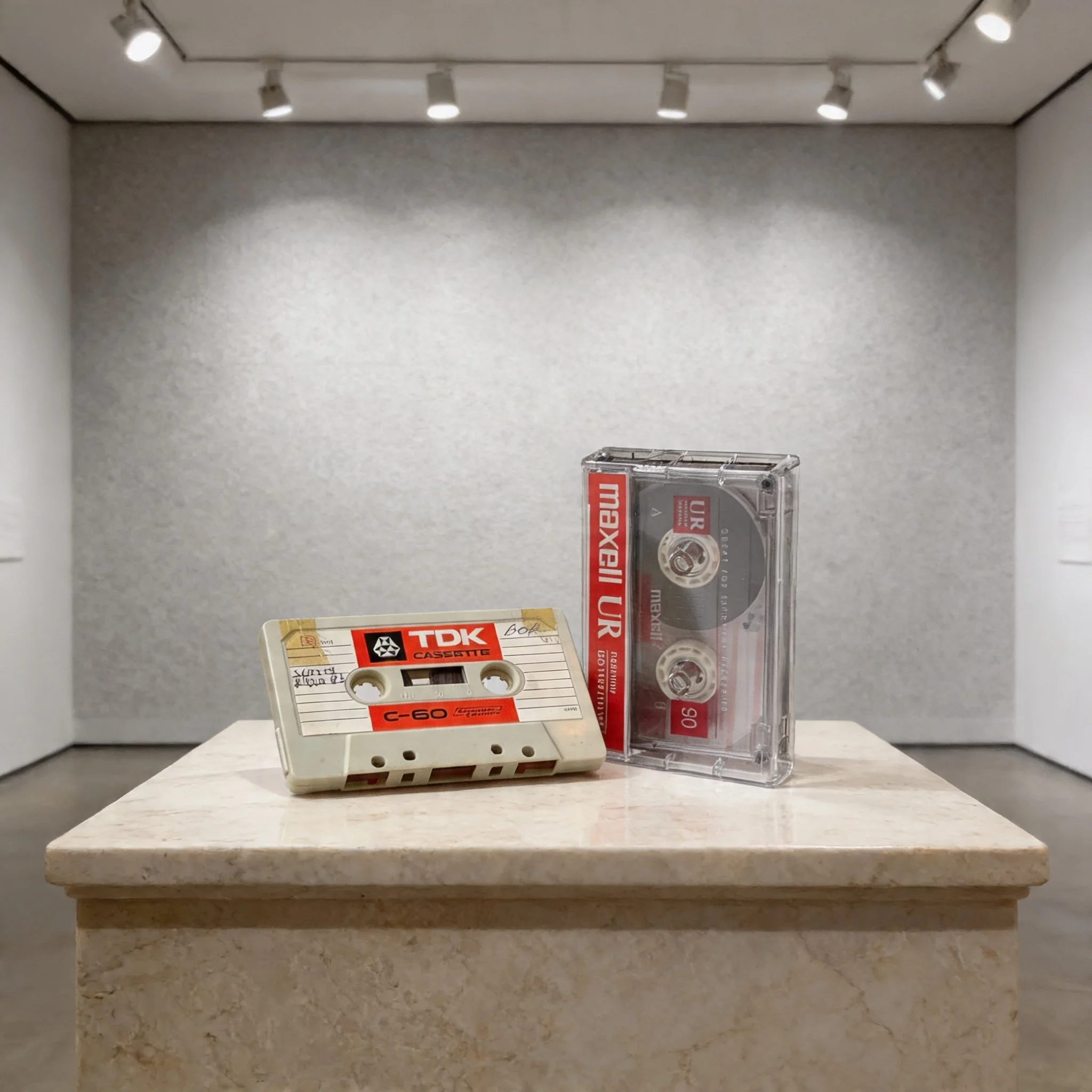
Open-reel tape was built to a higher standard than most consumer formats, and well-stored reels from the 1950s and '60s can still sound remarkably good. But not all reel-to-reel tape is created equal, and some of it has aged very poorly.
The most significant issue is sticky shed syndrome — a condition that affects tapes from certain manufacturers and eras, particularly Ampex recordings from the 1970s and '80s. The binder absorbs moisture over time and becomes tacky, shedding oxide onto the playback heads in a way that makes the tape unplayable without preparation. A tape with sticky shed cannot simply be loaded and played — it requires controlled low-heat treatment before playback, and even then the results vary.
Acetate-base tapes — common in recordings from the 1950s and early '60s — face a different problem: vinegar syndrome. As the acetate backing degrades, it releases acetic acid, giving the tape a distinctive vinegar smell. Affected tapes become brittle and can shrink, warp, and eventually crumble.
Print-through is also common on tapes that have been stored for decades: the magnetic signal from one layer bleeds onto adjacent layers, creating faint ghosting before or after the original recording.
And then there are the format variables — reel size, tape speed, track configuration — that mean every set of reels needs to be assessed individually before playback.
Reel-to-reel transfers are doable — but they're not straightforward. Contact us before dropping anything off.
Pricing
Our standard rate applies to reel-to-reel transfers where the tape is in playable condition and the format is within our equipment's capabilities. Because reel-to-reel involves more variables than cassette or video tape formats, we ask that you get in touch before dropping off — we'll let you know honestly whether we can help and what to expect.
| Reels | Discount |
|---|---|
| 1–9 reel | Standard rate |
| 10–19 reels | 10% off |
| 20+ reels | 15% off |
Discounts apply to the base rate. Overage charges are separate.
What happens to your tapes.
Step 1: Drop off your tapes Book a slot online. You'll get a confirmation with the drop-off address near Oxford & Wonderland. No shipping — everything stays local.
Step 2: We digitize by hand Each tape is played back in real time on calibrated equipment. There's no batch processing — your tapes are handled individually and inspected before and after transfer.
Step 3: Pick up your files Your audio is delivered on a USB stick (included in the price). Audio files are MP3, WAV, or whichever codec you prefer — playable on any modern device. Cloud delivery via Dropbox is available on request.
Smart questions about reel-to-reel 1/4” audio tape preservation:
-
Because reel-to-reel is genuinely more complex than other formats. Tape speed, track configuration, reel size, and tape condition all affect whether a transfer is possible and what the output will sound like. Some tapes need preparation before they can be played at all. Getting basic information upfront means we can give you an honest answer about what's feasible — rather than having you drive across town and then discover we can't help.
-
Sticky shed is a condition where the binder holding the oxide to the tape backing has absorbed moisture and become tacky. When a sticky tape is played, it drags against the heads and guides, sheds oxide, and often squeals. The tape is effectively unplayable in this state without preparation. It's most common in certain Ampex tapes from the 1970s and '80s, though other brands are affected too. If your tape squeals during playback or has left residue on equipment, that's a strong indicator. Let us know when you get in touch.
-
Yes — that smell means the acetate base is breaking down (vinegar syndrome). Affected tapes become brittle and can warp and shrink over time. Early-stage acetate degradation can sometimes still be transferred; advanced cases may be too fragile for playback. It's worth contacting us to describe what you have before assuming the worst.
-
Reel-to-reel transfers are delivered as MP3 files. If you need a higher-resolution format (WAV, FLAC), mention it when you get in touch and we can discuss whether that works for your transfer.
We'd rather tell you honestly than have you show up with tapes we can't handle.
Not sure if we can help? Ask.
Questions first? Call or text (226) 378-4695 · cygnalsmultimedia@gmail.com